Why You Need an SEO Roadmap Generator for Your Content Strategy
I have been in SEO long enough to remember when a roadmap meant a single-page checklist and a prayer. You picked your keywords, stuffed them into a few pages, and waited for Google to notice. Those days are gone. The search landscape now demands structured, data-driven plans that adapt to shifting algorithms and user expectations. That is where an SEO roadmap generator becomes not just useful but essential.
An SEO roadmap generator does exactly what the name suggests: it creates a step-by-step plan for improving your site's visibility in search results. But the best ones go deeper. They pull in data from multiple sources, analyze ranking factors for specific queries, and produce actionable recommendations you can implement immediately. Instead of guessing which pages to optimize first or which keywords to target, you get a clear path forward based on evidence.
I have used several tools over the years, and the difference between a generic checklist and a properly generated roadmap is night and day. Generic checklists treat every site the same. A good generator considers your unique situation: your current rankings, your competitors' strengths and weaknesses, and the specific queries that matter to your business.
How an SEO Roadmap Generator Works in Practice
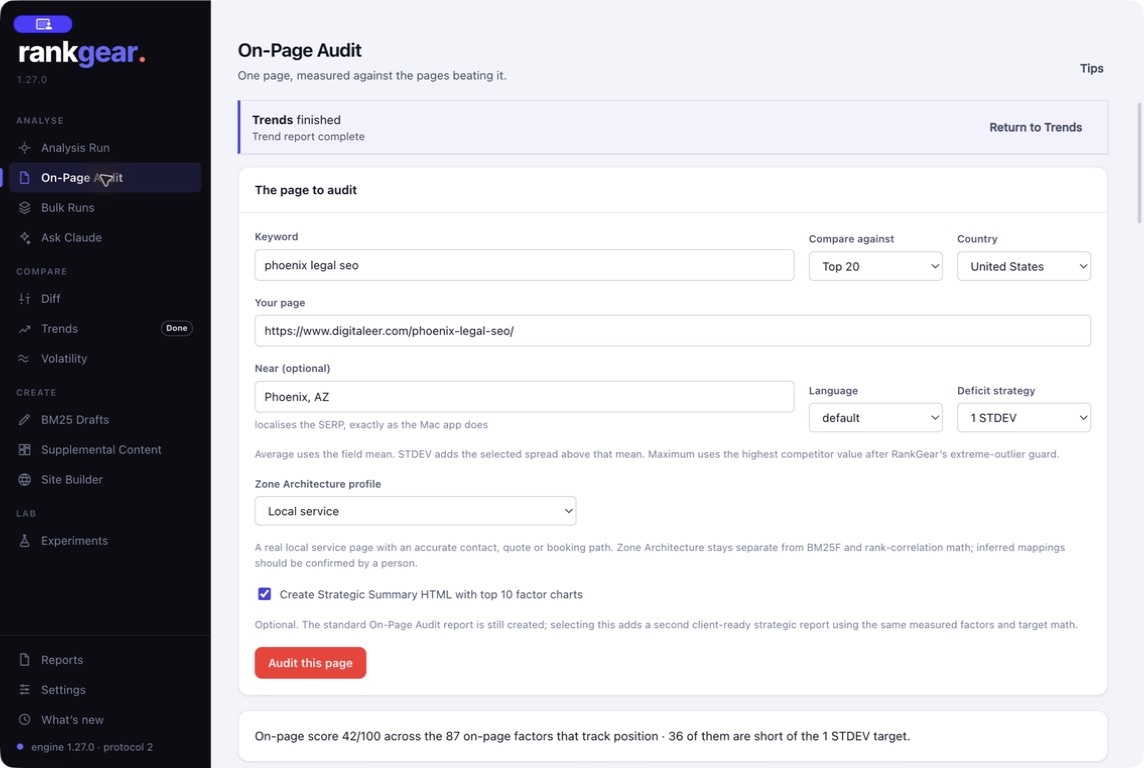
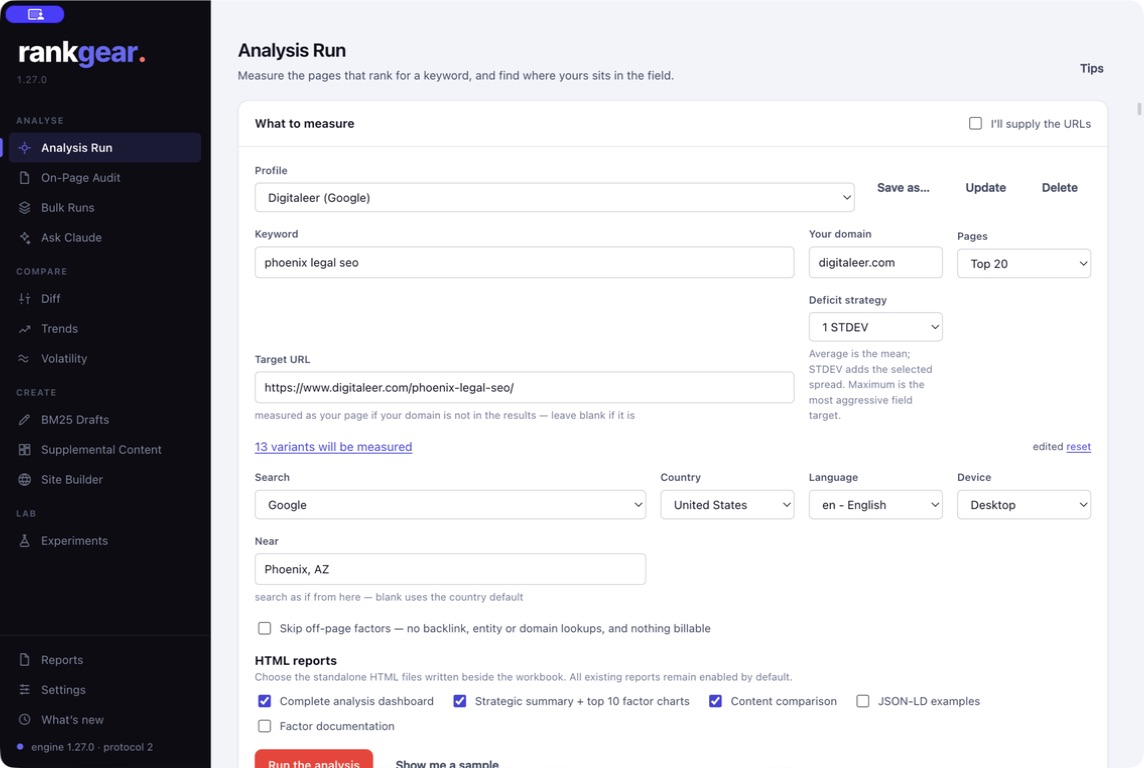
Let me walk through a typical workflow. You connect your site to the generator, often through Google Search Console or Google Analytics for tracking keyword performance and traffic data. The tool then scans your pages, analyzes your backlink profile, and compares your content against competitors using techniques like content gap analysis and backlink gap analysis.
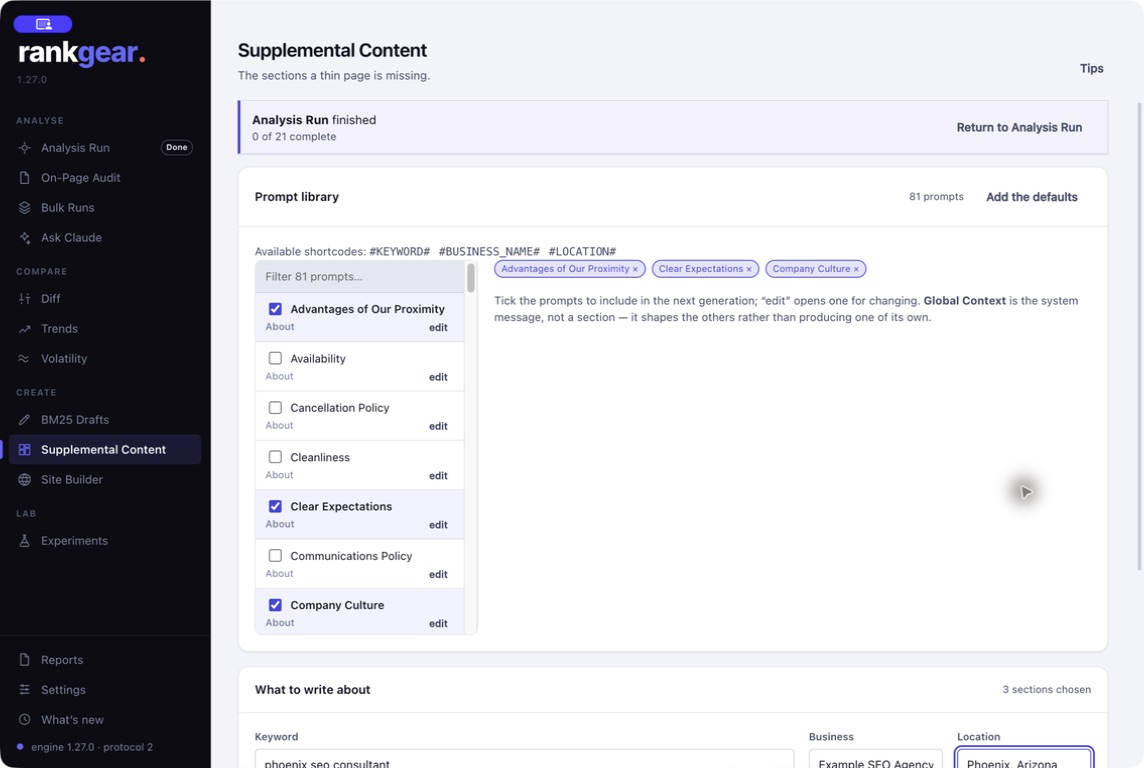
Content gap analysis reveals topics your competitors rank for that you have not covered. Backlink gap analysis shows which domains link to your competitors but not to you. Both are critical for building a roadmap that closes performance gaps. The generator prioritizes these gaps based on keyword difficulty score and search volume, so you tackle the opportunities with the highest potential return first.
Tools like Ahrefs and SEMrush have been doing parts of this for years, but a dedicated SEO roadmap generator synthesizes their data into a coherent plan. It does not just show you a list of keywords; it tells you which ones to target now, which to target later, and which to skip entirely because they are too competitive or irrelevant.
From Data to Action: What a Good Roadmap Includes
A well-built roadmap covers multiple dimensions of SEO. It addresses on-page optimization through TF-IDF analysis, which helps you understand the term frequency and relevance of words on your pages compared to top-ranking content. It also incorporates LSI keywords and entity salience to ensure your content covers topics comprehensively, not just with exact-match phrases.
Technical SEO is another pillar. The roadmap should flag issues with core web vitals, such as slow loading times, poor mobile responsiveness, and layout shifts that hurt Google Page Experience scores. These factors directly impact rankings, and a generator that ignores them is incomplete.
Off-page factors also matter. The roadmap might suggest building links from specific types of sites or improving your internal linking structure using a topic cluster model. This model organizes content around pillar pages and cluster articles, signaling to search engines that your site has authoritative coverage on a subject. RankMath and Yoast SEO offer tools to help implement these structures, but the roadmap tells you where to focus your efforts.
Real Trade-Offs and Judgment Calls
No tool is perfect, and an SEO roadmap generator is no exception. One of the hardest parts of using any automated planner is trusting its prioritization. I once worked with a site that had a severe technical issue: thousands of broken internal links. The generator flagged it, but it also suggested creating ten new articles based on content gap analysis. The right call was to fix the technical debt first, even though the content gaps promised more traffic.
That is the judgment you bring as a marketer. The generator provides the data and the recommended sequence, but you have to weigh factors it cannot fully account for, like resource constraints, brand priorities, and seasonal trends. The best use of an SEO roadmap generator is as a decision support system, not an autopilot.
Another trade-off involves keyword difficulty score. Most tools like Moz and Serpstat calculate this differently. Some emphasize domain authority; others weigh exact-match content saturation. If you rely on a single score without understanding how it was computed, you might pass up a keyword that is actually achievable with the right content strategy. Cross-referencing with competitor URL intersection data can give you a clearer picture of which pages are truly hard to beat and which just look difficult on paper.
Building a Sustainable Process
Once you have your roadmap, the real work begins. The generator typically organizes tasks by urgency and effort, but you still need to assign owners, set deadlines, and track progress. I recommend reviewing the roadmap monthly and adjusting based on new data. SERP features change, competitors launch new campaigns, and your own site evolves.
For example, you might start with a set of ten priority keywords. After a month, you check Google Search Console to see which pages are gaining impressions and which are stuck. Maybe a competitor launched a comprehensive guide that now dominates a SERP you were targeting. Your roadmap should allow you to pivot: either strengthen your existing content or shift focus to a different query where you have a better chance.
Tools like Ahrefs and SEMrush can help you monitor these shifts, but the roadmap generator keeps you honest. It reminds you of the bigger picture when you are tempted to chase every shiny new keyword. That discipline is what separates effective SEO from random acts of optimization.
Why You Should Start Using One Now
If you are still managing SEO through spreadsheets and gut feelings, you are leaving opportunities on the table. An SEO roadmap generator imposes structure and forces you to think strategically. It surfaces blind spots in your content, technical setup, and link profile that you might never notice on your own.
I have seen teams double their organic traffic within six months just by following a well-researched roadmap consistently. Not because the generator had magic sauce, but because it eliminated guesswork. Every action had a reason, every task had a priority, and every week built toward a measurable goal.
The search industry is only getting more complex. With frequent algorithm updates, the rise of AI-generated content, and increasing competition for featured snippets, you need every advantage you can get. An SEO roadmap generator is not a shortcut; it is a compass. It points you in the right direction and helps you navigate the messy, rewarding work of earning visibility online.